Learning that you’ve been diagnosed with epilepsy or recurrent seizures can be overwhelming, often requiring significant changes to your daily routine and lifestyle. One week you’re going about your normal life, and the next you’re staring at a list of doctors, tests, and decisions nobody prepares you for.
Choosing the right epilepsy neurologist in NJ ends up being one of the bigger calls in that process, and honestly, it’s not always clear where to even start.
Epilepsy doesn’t look the same from person to person. Some people deal with the occasional mild episode. Others are managing seizures frequent enough to disrupt work, driving, relationships, and many aspects of daily life.
Because the condition varies significantly, the specialist who’s right for one patient might not be good for another. Knowing what actually matters in that search helps make the decision more informed.
There is no one-size-fits-all approach to treating epilepsy.
It’s a chronic neurological disorder characterized by recurrent, unprovoked seizures that come back without warning, and the root cause behind those seizures could be genetics, a head injury from years ago, a stroke, an infection, or something related to development.
Since the cause varies so much, you need a doctor with a deep understanding of neurology. Not someone who’s just generally aware seizure disorders exist.
A specialist worth seeing doesn’t stop at writing a prescription and calling it done. They actually look into what’s driving the seizures in the first place, then create a treatment plan around that.
Board Certification, Not Just a General Practice
Find a doctor who’s board certified in neurology, ideally with hands-on experience treating seizure disorders specifically. A general practitioner might handle some symptoms fine, but epilepsy usually needs someone who deals with it constantly and understands the details that come with it.
The Right Diagnostic Tools on Hand
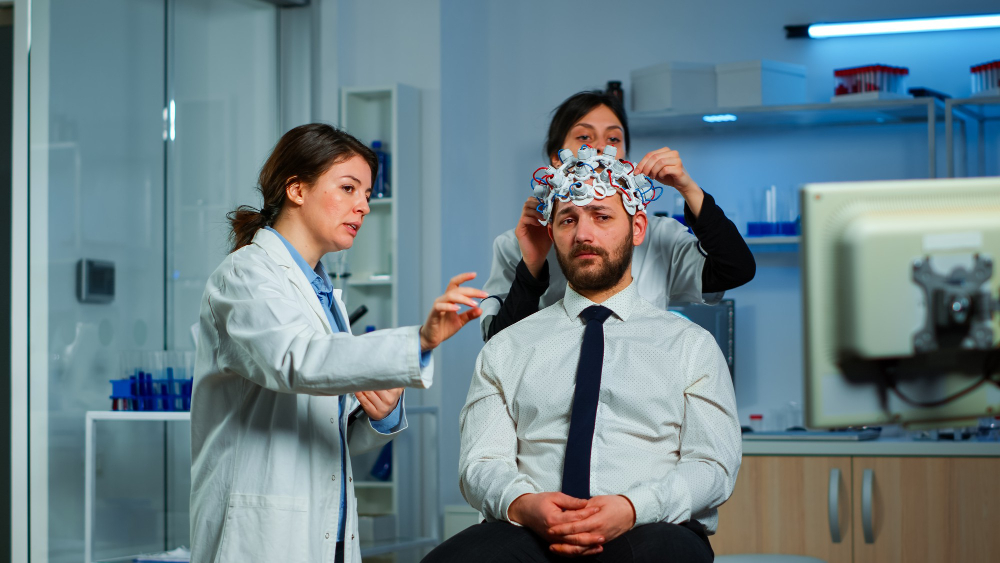
Diagnosing epilepsy takes more than a discussion about your symptoms. Look for a specialist who has access to:
These evaluations help determine the seizure type and identify possible underlying causes, allowing for more appropriate treatment planning.
A Plan Built Around You, Not a Template
There is no one-size-fits-all approach to epilepsy treatment. An epilepsy physician should develop a plan according to your seizure type, triggers, and overall health, instead of prescribing whatever they gave the last patient.
Depending on the case, that might mean:
Continuous Monitoring for Long-Term Care
Epilepsy is usually something you manage long-term, so follow-up care matters just as much as getting the initial diagnosis right. A good specialist stays involved. They check in, adjust the plan, and watch for changes in how often or how severely seizures show up.
Seizure symptoms shift depending on the type, but a few show up often enough to be worth flagging:
If you experience any of these symptoms, or observe them in someone else, seek prompt neurological evaluation.
Seizures aren’t all the same, and knowing which type you’re dealing with shapes the whole treatment approach. The main categories break down like this:
A specialist should walk you through which category applies to your situation, and explain why that distinction changes how they’ll treat it.
Before you commit to a specialist, answers to these direct questions can tell you a lot:
If a doctor answers these clearly and doesn’t rush you out the door, that’s usually a sign you’re in good hands.
Here’s the thing worth remembering: a diagnosis isn’t the end of a normal life. Most people with epilepsy, once they’ve got the right treatment and consistent follow-up, go on living full, independent lives.
What makes the difference is finding a specialist who actually takes time to understand your specific case instead of running through a generic checklist.
Choosing an epilepsy expert isn’t a decision to rush through. Look for board certification, real diagnostic tools, a treatment plan built around you specifically, and a doctor who sticks around for long-term care instead of disappearing after one visit.
Ask questions, pay attention to how honestly they’re answered, and choose a specialist with whom you feel comfortable and confident.
Epilepsy is manageable, and having the right team behind you changes everything.
If you’re in New Jersey, Center for Neurology and Stroke Care offers board-certified epilepsy treatment under Dr. Kavneet Kaur, with the diagnostic tools and personalized, long-term approach that seizure management actually requires. Reach out to us today and schedule an evaluation!